Chicken Run Ideas Using Recycled Materials
Highlighted under: Authentic Global Cuisine Ideas
I love finding innovative ways to upcycle materials, and creating a chicken run from recycled materials is one of my favorite projects. Not only does it save money, but it also helps the environment by reducing waste. Through trial and error, I've discovered what works best for securing and supporting my chickens, all while adding a unique touch to their home. Whether you're using old pallets or wire mesh, there are endless possibilities to make a functional and stylish run for your feathered friends.
Building a chicken run with recycled materials became a cherished project for me one summer. I collected wooden pallets and repurposed old garden fencing to create a secure yet spacious area for my chickens. Each challenge I faced, from uneven ground to weatherproofing, pushed my creativity, allowing me to design a comfortable habitat.
One particularly memorable moment was when I found an old bicycle tire, which I transformed into a quirky dust bath corner for my hens. It's details like these that not only enrich their space but also ensure they stay happy and healthy!
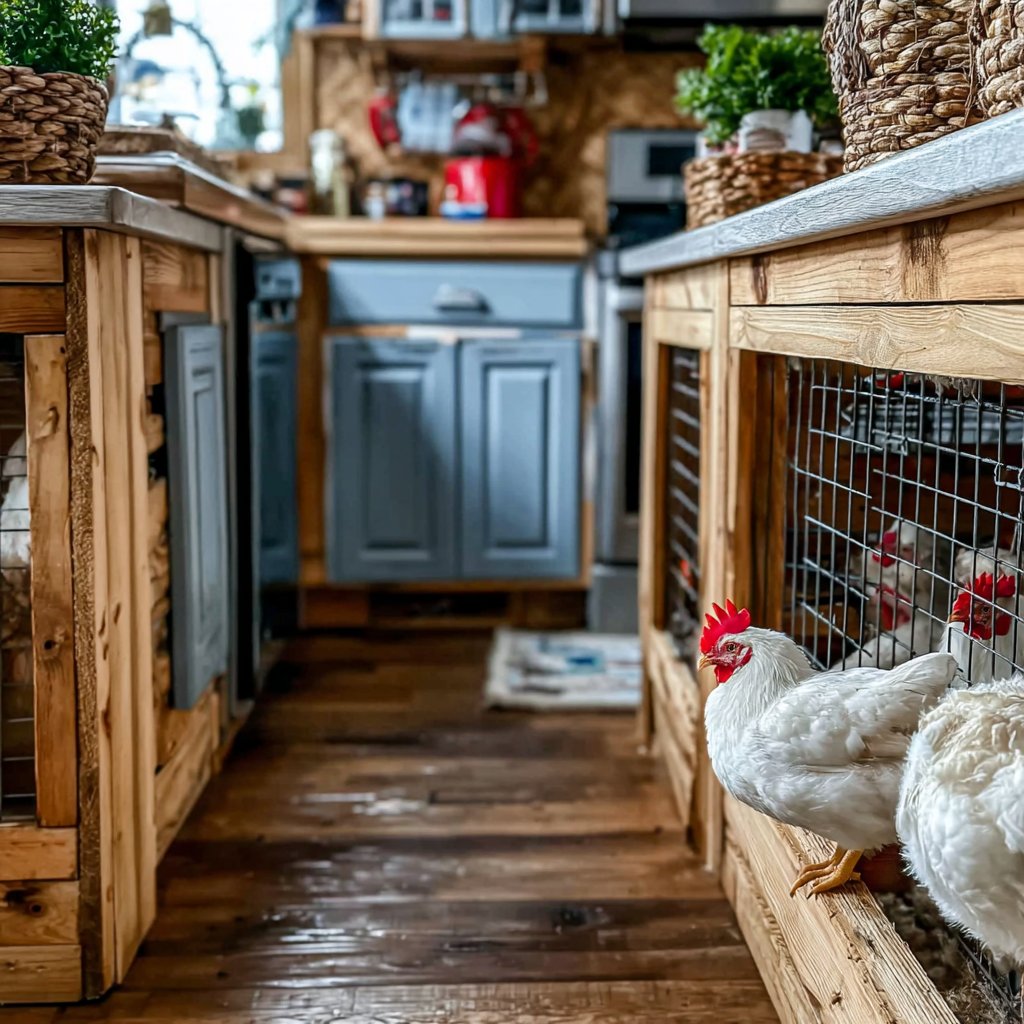
Why You'll Love This Project
- Eco-friendly alternative to new materials
- Saves money while being creative
- Customizable to fit your garden aesthetic
Maximizing Recycled Materials
When building a chicken run from recycled materials, it’s crucial to evaluate each item's durability and practicality. For instance, wooden pallets can be sturdy bases but should be inspected for rot or protruding nails. If you find any damaged sections, you can use them in less visible areas or repurpose them for other parts of the structure. Ensuring your materials are safe for the chickens—free from toxic substances—is also essential. I often choose pallets that have been treated with non-toxic finishes to ensure the safety of my flock.
Another key consideration in your materials selection is the type of wire mesh used for the run's walls and roof. A finer mesh with small openings is ideal, as it can keep out smaller predators like raccoons and weasels. Make sure the mesh is at least 2 feet high to discourage burrowing under the run. I recommend securing it with sturdy fencing staples or screws at regular intervals, as this provides better security and longevity against wear from weather and your active chickens.
Design and Customization Tips
Your chicken run design should not only be functional but also visually appealing. Consider incorporating natural elements like plants or decorative fencing that complements your garden. Use vertical space for nesting boxes placed at varying heights to offer your chickens options while enhancing the aesthetics of your run. I love hanging plants near the run; it adds a touch of greenery while providing shade for the chickens during hot days.
Think about the flow of your design. Ensuring easy access to feed and water will make daily maintenance more straightforward. Placing food and water containers close together can also prevent spillage while saving time during feeding. A well-thought-out design allows for smooth interaction with your chickens, making the chicken-keeping experience more enjoyable for you.
Maintenance and Upkeep
Maintaining a chicken run made from recycled materials can sometimes be more demanding than one built with new supplies. Regularly check for any wear and tear, particularly on the mesh and wood that can become frail over time, especially if exposed to moisture. Rotate your dust bath materials, like sand or dirt, every few weeks to prevent excess moisture accumulation and maintain a healthy environment for your chickens. Keeping everything clean will also minimize pests.
Consider seasonal adjustments for your run. In colder months, adding insulation with leftover materials like straw or cardboard can help keep your chickens warm. Conversely, during hot weather, incorporate better ventilation by adding openings or using wire mesh to allow airflow while keeping predators out. Frequent checks on the structure after severe weather can help catch any damage early, ensuring your chickens always have a safe home.
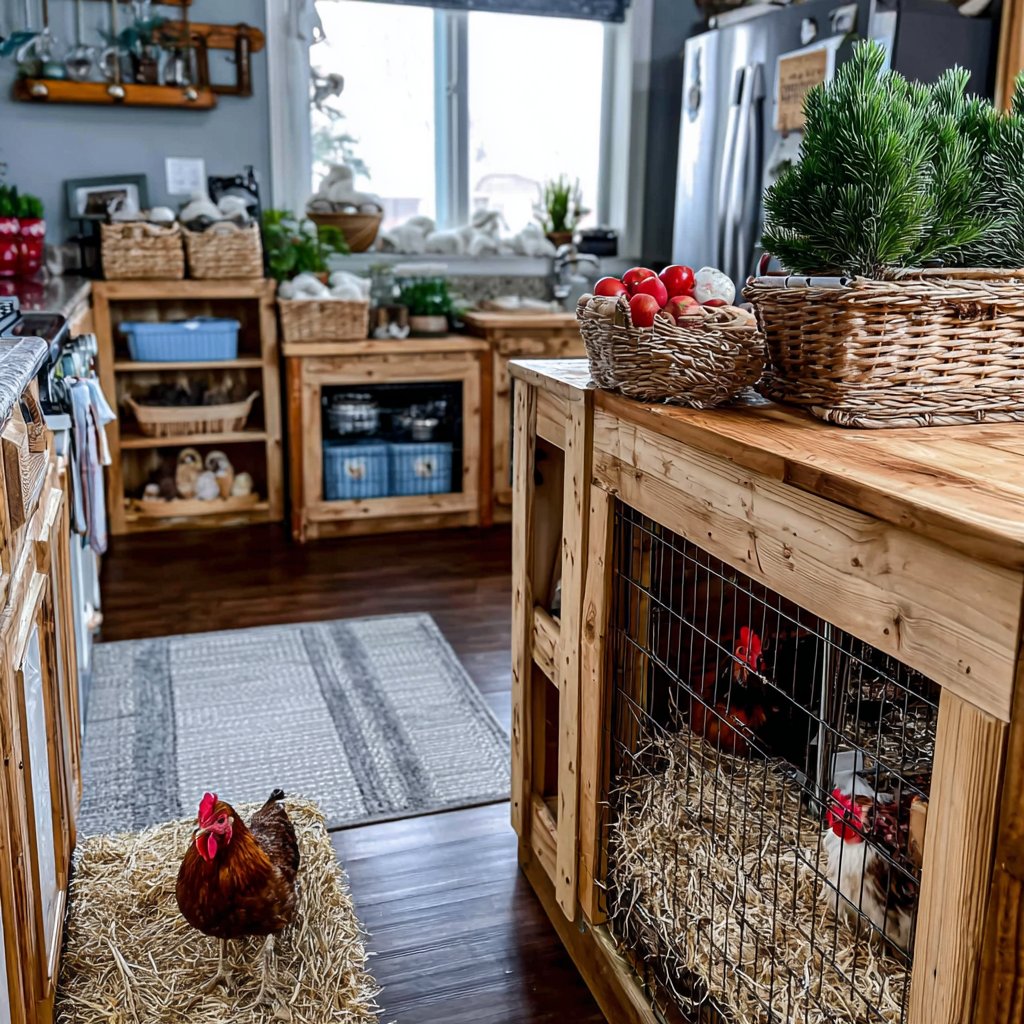
Instructions
Ready to create a unique and sustainable chicken run? Here are a few tips to get you started.
Collect Materials
Start gathering your recycled materials, such as wooden pallets, wire mesh, and any other items you think could add value to your chicken run.
Design the Layout
Sketch out how you want the chicken run to look. Consider space for nesting boxes, food, and water. Make sure that the design provides security from predators.
Build the Structure
Using the pallets as the main structure, secure them together with nails or screws. Make sure to leave openings for access but reinforce them with wire mesh.
Add Fun Features
Incorporate items like a bicycle tire for dust baths or old containers for feed. These additions will make your run enjoyable for your chickens.
Secure Everything
Ensure that all aspects of the chicken run are secured, including the roof, to protect your chickens from predators and the elements.
Once your chicken run is complete, introduce your chickens and watch them enjoy their new space!
Pro Tips
- Make sure everything is double-checked and secure, especially if you're using materials that are not typically meant for outdoor use.
Creative Additions for Enrichment
Adding enrichment items to your chicken run can keep your chickens engaged and active. Simple additions like branches or logs can provide perches, while repurposed tires make excellent dust baths. Remember to keep the dimensions of these features appropriate to the size of your chickens to avoid injury. I find that rotating enrichment items every few weeks keeps the chickens curious and entertained, supporting their natural foraging instincts and promoting overall happiness.
You can also create feeding stations with recycled containers, varying their height and position within the run. This not only encourages natural behavior as chickens search for food but also prevents overcrowding at a single food source. Using clear plastic containers allows you to monitor feed levels easily, ensuring your chickens are well-fed without excess waste.
Safety Precautions and Challenges
When constructing your chicken run, always prioritize the safety of your flock. It’s vital to bury the wire mesh 12 inches underground to prevent predators from digging under. Ensure that any entrance gates to the run close securely and are equipped with latches that cannot be easily manipulated by curious critters. I recommend doing regular safety audits, especially after visiting your chickens, to check for any vulnerable areas.
If you notice signs of wear in your recycled materials, address them promptly to avoid hazards. For example, sagging wire mesh may not only allow predators access but could also pose an injury risk to your chickens. Be prepared to reinforce or replace any compromised sections, as proactive management will pay off significantly in maintaining a secure and thriving environment for your chickens.
Questions About Recipes
→ Can I use any type of wood?
It's best to use untreated wood to avoid chemicals that can harm chickens. However, make sure it is sturdy and safe.
→ How can I ensure the chicken run is predator-proof?
Deepen the base by burying wire mesh or installing a secure top on the run to prevent aerial attacks.
→ What if I don’t have pallets?
You can use other materials like crates or even sturdy cardboard for temporary solutions, just ensure everything is well supported.
→ How big should the chicken run be?
Aim for at least 10 square feet per chicken to allow them ample space for movement and enjoyment of their environment.
Chicken Run Ideas Using Recycled Materials
Created by: Maribel Sutton
Recipe Type: Authentic Global Cuisine Ideas
Skill Level: Beginner
Final Quantity: 1
How-To Steps
Start gathering your recycled materials, such as wooden pallets, wire mesh, and any other items you think could add value to your chicken run.
Sketch out how you want the chicken run to look. Consider space for nesting boxes, food, and water. Make sure that the design provides security from predators.
Using the pallets as the main structure, secure them together with nails or screws. Make sure to leave openings for access but reinforce them with wire mesh.
Incorporate items like a bicycle tire for dust baths or old containers for feed. These additions will make your run enjoyable for your chickens.
Ensure that all aspects of the chicken run are secured, including the roof, to protect your chickens from predators and the elements.
Extra Tips
- Make sure everything is double-checked and secure, especially if you're using materials that are not typically meant for outdoor use.
Nutritional Breakdown (Per Serving)
- Calories: 0 kcal
- Total Fat: 0g
- Saturated Fat: 0g
- Cholesterol: 0mg
- Sodium: 0mg
- Total Carbohydrates: 0g
- Dietary Fiber: 0g
- Sugars: 0g
- Protein: 0g