Large Backyard Chicken Run
Highlighted under: Authentic Global Cuisine Ideas
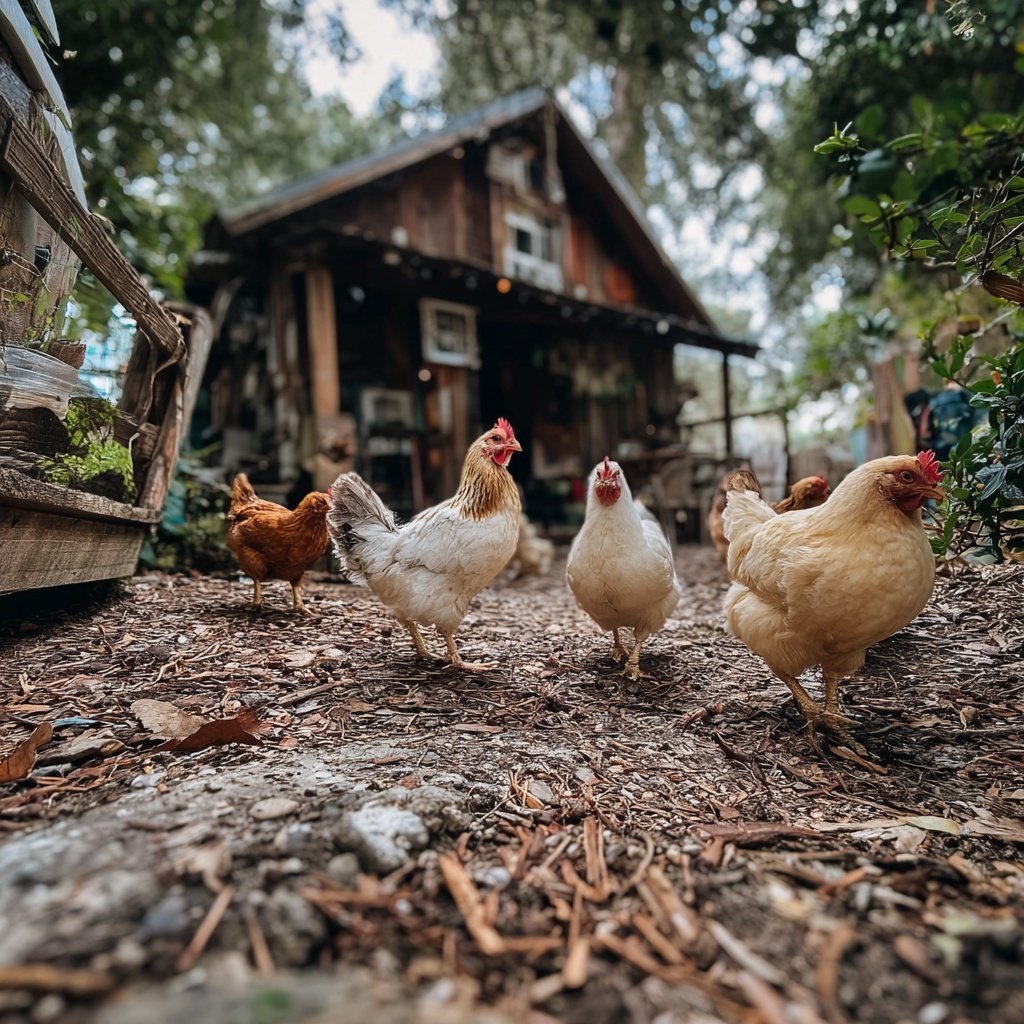
When I decided to create a large chicken run in my backyard, I knew I wanted it to be functional and beautiful. I spent time researching materials and layouts to ensure my chickens would have plenty of space to roam and enjoy the outdoors safely. It was a labor of love, designing a space that mimics a natural environment while keeping my feathered friends secure. I can't wait to share the details of this project that turned my backyard into a happy sanctuary for chickens!
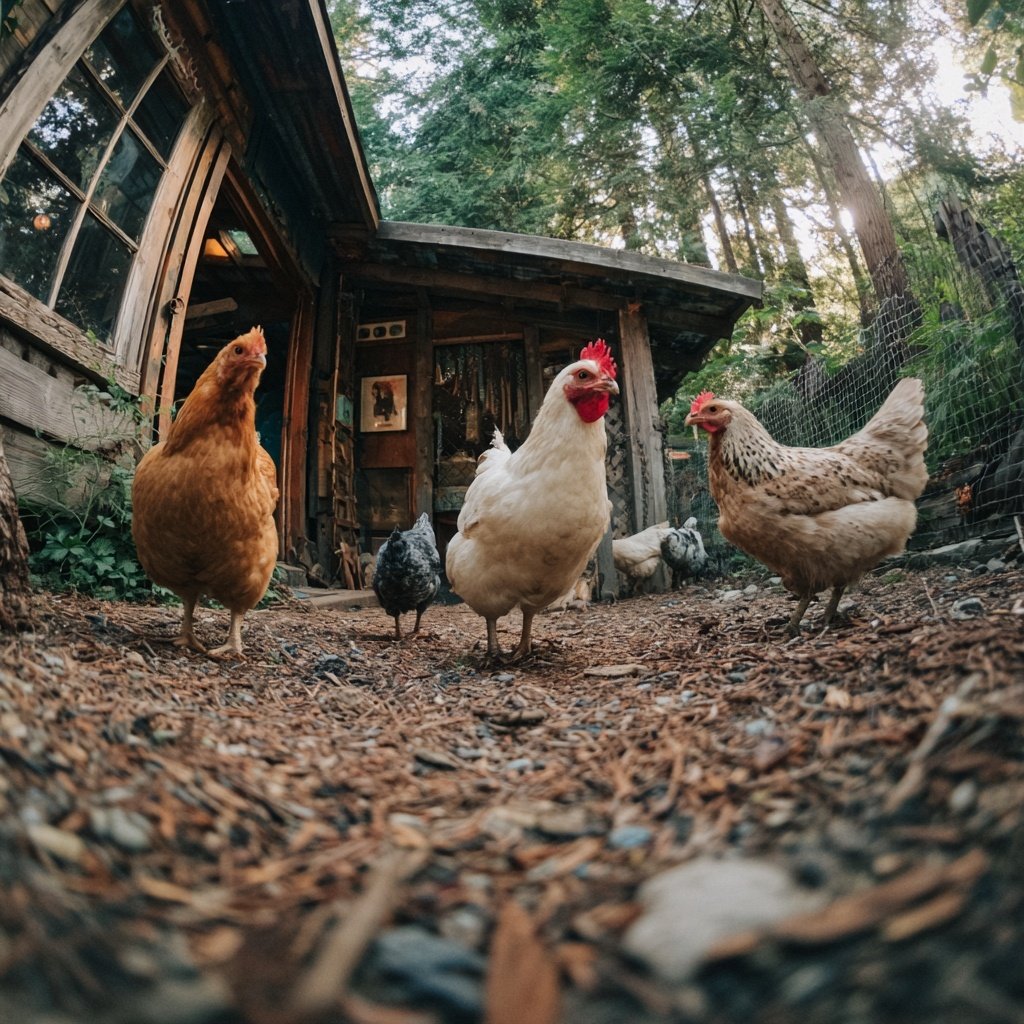
Building a large chicken run was an adventure I truly enjoyed. I remember getting excited about choosing the right materials that would withstand the elements while keeping my chickens safe. By incorporating various natural elements like logs and rocks, I created an engaging environment that keeps them active and happy.
One key tip I learned during this project was to ensure proper drainage in the run area. By angling the ground slightly and using gravel in certain spots, I minimized mud and created a clean area for my chickens to enjoy, which makes caring for them so much easier!
Reasons You'll Love This Chicken Run
- Spacious design allows for natural chicken behavior
- Incorporates natural elements for a stimulating environment
- Easy to maintain and clean with proper drainage
Design and Space Considerations
When designing your chicken run, it's essential to factor in both the available space and the natural behavior of chickens. A spacious run will allow your flock to exhibit more natural behaviors, such as scratching the ground, dust bathing, and foraging. If you have the room, aim for a space that offers at least 10 square feet per chicken, ensuring they have enough area to thrive without feeling cramped.
Consider incorporating features like shaded areas and windbreaks within your design. Plants, such as shrubs or small trees, not only provide shade but also create a more enriching environment. This setup encourages chickens to explore and engage in instinctual activities. Additionally, avoiding sharp or hazardous materials in your design is crucial for the safety of your flock.
Material Selection and Durability
Choosing the right materials for your chicken run can significantly affect its longevity and functionality. Opting for weather-resistant wood for posts and durable wire fencing ensures that your run remains robust against the elements. Adding concrete for securing the posts increases stability and helps prevent collapse due to strong winds or curious predators digging underneath.
Also, consider the type of wire fencing you use. A coated wire has a longer lifespan compared to uncoated wire and minimizes rust accumulation. If you encounter any rust on your fencing, it's vital to treat it immediately with a rust inhibitor to prevent further damage. By investing in quality materials, you’ll create a secure environment that will protect your chickens for years.
Maintenance and Upkeep Tips
After your chicken run is complete, establishing a routine for maintenance can help it stay in optimal condition. Regularly check the fencing for any signs of wear or damage, especially after heavy rains or storms. A quick visual inspection can help catch any loose spots or hazards before they become problematic, ensuring your chickens remain in a safe habitat.
Drainage is another key aspect to monitor. If you notice muddy areas, consider adding more gravel or creating deeper drainage channels to keep your run dry. This will help maintain a healthier environment for your chickens and reduce the risk of infectious diseases. By being proactive about maintenance, you ensure a clean and productive space that your flock will appreciate.
Materials Needed
Materials
- Wooden posts
- Wire fencing
- Nails and screws
- Concrete (for securing posts)
- Roofing material (optional)
- Gravel (for drainage)
Optional Additions
You may also want to include items like perches, dust baths, and feed stations for your chickens' comfort.
Instructions to Build Your Chicken Run
Design Your Layout
Start by sketching out the design for your chicken run. Consider the space you have available and how you want to arrange the features inside. Make sure it is spacious enough for your chickens to roam freely.
Gather Materials
Collect all the materials needed for your chicken run, including posts, wire fencing, and any additional features you want to include in your design.
Set Up Posts
Dig holes for your wooden posts and set them in place with concrete. Ensure they are secure and spaced appropriately to support the fencing.
Install Fencing
Once the posts are in place, attach the wire fencing tightly to ensure there are no gaps. This will prevent predators from entering the run.
Create a Roof (if desired)
Depending on your location, you might want to add a roof to protect your chickens from aerial predators and extreme weather.
Add Natural Elements
Incorporate logs, rocks, and perches into the run to create an engaging environment for your chickens. This will encourage them to behave naturally and stay active.
Set Up Drainage
Make sure to gently slope the ground and add gravel in certain areas to facilitate drainage and minimize mud.
Finalize Your Setup
Go through your run to check for any sharp edges or hazards, ensuring it is a safe environment for your chickens.
Final Touches
Inspect the run regularly to ensure it remains a safe and comfortable place for your chickens to thrive!
Pro Tips
- Always make sure to check your local ordinances regarding backyard chickens and their care.
Final Touches
Once you've constructed the major components of the chicken run, consider adding some finishing touches to make the space more inviting. Installing perches at different heights can give your chickens a place to roost, helping them feel secure and happy. Use untreated wood for perches to avoid exposing them to harmful chemicals, as chickens tend to peck at everything.
You might also want to introduce nesting boxes within the run if you plan to keep hens for egg-laying. These can be simple boxes situated in a quiet, shaded area of the run, encouraging your hens to lay eggs comfortably. Ensuring they have a designated space to nest will reduce stress and improve egg production in your flock.
Seasonal Considerations
As the seasons change, so should your approach to chicken run management. In winter, ensure that your run is well-shielded from harsh winds and snow. Consider adding a tarp or temporary roofing to provide protection during extreme weather. Additionally, providing adequate bedding, such as straw or hay, will help keep the ground dry and warm for your birds.
In summer, shade becomes vital. Regularly monitor the temperature inside the run and ensure that your chickens have access to shaded areas to keep cool. Cross-ventilation can further help in maintaining a comfortable environment. Installing a simple misting system can also be effective in hot weather, cooling your flock and helping them stay hydrated.
Questions About Recipes
→ How much space do chickens need?
Chickens typically need at least 10 square feet per bird in the run for adequate space to roam.
→ What is the best material for the run?
Wire fencing is often the best material as it provides visibility while keeping out predators. The wooden posts provide durability.
→ How do I keep chickens safe from predators?
Using sturdy fencing and ensuring the run is well-constructed with no gaps will help protect your chickens. Adding a roof can also deter aerial predators.
→ Can I keep the run in the same spot year-round?
It's best to rotate the run location if possible, as this helps prevent the buildup of parasites and keeps the area fresh for your chickens.
Large Backyard Chicken Run
Created by: Maribel Sutton
Recipe Type: Authentic Global Cuisine Ideas
Skill Level: Beginner
Final Quantity: 1
What You'll Need
Materials
- Wooden posts
- Wire fencing
- Nails and screws
- Concrete (for securing posts)
- Roofing material (optional)
- Gravel (for drainage)
How-To Steps
Start by sketching out the design for your chicken run. Consider the space you have available and how you want to arrange the features inside. Make sure it is spacious enough for your chickens to roam freely.
Collect all the materials needed for your chicken run, including posts, wire fencing, and any additional features you want to include in your design.
Dig holes for your wooden posts and set them in place with concrete. Ensure they are secure and spaced appropriately to support the fencing.
Once the posts are in place, attach the wire fencing tightly to ensure there are no gaps. This will prevent predators from entering the run.
Depending on your location, you might want to add a roof to protect your chickens from aerial predators and extreme weather.
Incorporate logs, rocks, and perches into the run to create an engaging environment for your chickens. This will encourage them to behave naturally and stay active.
Make sure to gently slope the ground and add gravel in certain areas to facilitate drainage and minimize mud.
Go through your run to check for any sharp edges or hazards, ensuring it is a safe environment for your chickens.
Extra Tips
- Always make sure to check your local ordinances regarding backyard chickens and their care.
Nutritional Breakdown (Per Serving)
- Calories: 0 kcal
- Total Fat: 0g
- Saturated Fat: 0g
- Cholesterol: 0mg
- Sodium: 0mg
- Total Carbohydrates: 0g
- Dietary Fiber: 0g
- Sugars: 0g
- Protein: 0g